
Winter Sports Insurance: Insights on Safety and Policy Pitfalls
How everyday behaviours could be undermining your winter sports protection
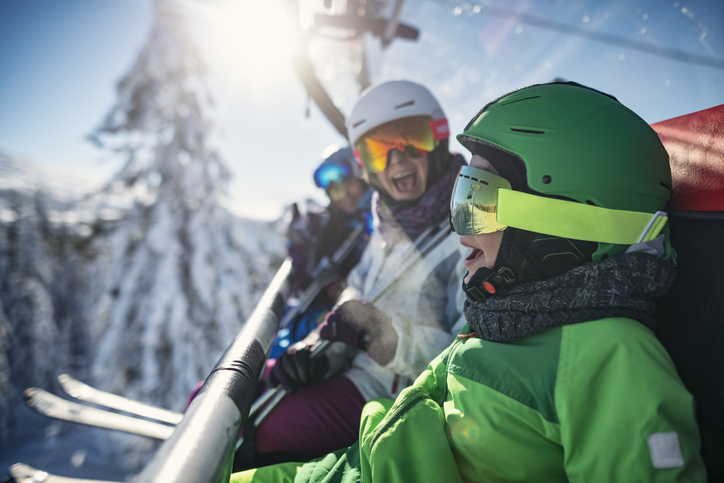
With interest in ski holidays rising, and searches for "skiing" up 25% in Ireland this year, more people than ever are planning on heading to the slopes, but not all are fully prepared for the risks that come with winter sports travel.
Despite 47.6% believing they never have, our survey shows individuals have actually done something that could invalidate their insurance. It's a clear sign that many travellers may feel more protected than they really are.
To better understand how Irish skiers and boarders approach insurance on their holidays, the experts at insurance comparison site Chill surveyed 500 Irish skiers and snowboarders about their habits, confidence levels, and past experiences on the mountain.
Pre-trip planning
Before setting off on a winter sports holiday, most travellers take time to prepare, but our research shows they're not always focusing on the things that matter most for their protection. Over half of skiers (51.9%) check the weather before they go, and many make sure their equipment is in good working order (47.1%). These are sensible habits, but when it comes to safeguarding their trip financially, there's a clear gap.
Only 41.1% take the time to review their insurance policy details or exclusions, meaning a large number could be heading into high-risk environments without fully understanding what their cover includes or, crucially, what it doesn't.
The differences across groups show clear patterns in how prepared people feel. Women tend to check more trip details than men, including weather conditions and equipment, while travellers who both ski and snowboard are the most likely to review their insurance before they go. Their broader experience on the mountain appears to make them more aware of the risks.
In contrast, beginners, who are statistically more likely to be injured on the slopes, are the least likely to read their policy, with only 26.8% reviewing their cover. From an insurance perspective, this is the group who would benefit the most from understanding what their policy does and does not include.
Avalanche warnings and alcohol rules on the mountain are also overlooked by many, despite both having direct implications for insurance validity. Only 40.7% check avalanche alerts before travelling, and fewer still (27.7%) look up alcohol limits, something that could directly affect whether a claim is paid.
Travellers are diligent about the conditions they'll face, but far less diligent about the protections designed to support them if something goes wrong. Taking just a few minutes to review your policy could make the difference between a smooth claim process and costly out-of-pocket expenses later.
Are you accidentally invalidating your insurance?
Many people think their insurance has them covered when they ski or snowboard, but our research shows that their holiday habits can unintentionally undermine that cover.
Although 47.6% of people told us they have never invalidated their winter travel insurance, the behaviours they later admitted to suggest otherwise. A large proportion of holidaymakers engage in activities that could, in many policies, reduce or completely invalidate their cover without realising it.
To highlight the risk, here are the most common actions people reported doing on a snowsports holiday, many of which are explicitly excluded or restricted in standard winter sports policies.
| Behaviour | % Who Have Done This | Why It Often Invalidates Insurance | What Travellers Should Do |
|---|---|---|---|
| Taking a selfie or filming while skiing/snowboarding | 24.31% | Considered reckless behaviour, breaching "safe conduct" terms. | Film only when stationary and off to the side of the piste. |
| Stopping at the peak of a hill | 24.10% | Unsafe positioning that increases collision risk. | Stop at the edge of the piste where you remain visible. |
| Skiing/boarding at night | 21.78% | Often excluded unless on designated, lit night runs. | Check both resort rules and policy wording in advance. |
| Skiing or snowboarding down a closed slope | 19.45% | Closed runs are classed as unsafe and not covered. | Stick to officially open slopes. |
| Participating in apres-ski while still wearing ski boots | 19.03% | Increases the chance of avoidable slips and falls. | Remove snow boots before heading to bars or restaurants. |
| Teaching a friend without instructor training | 17.34% | Beginners often need qualified supervision for full cover. | Book lessons with a certified instructor. |
| Going off-piste without a qualified guide | 13.11% | One of the most common exclusions in winter sports policies. | Only go off-piste with a certified guide. |
| Skiing or snowboarding under the influence of alcohol or drugs | 13.53% each | Intoxication is a clear reason for claims to be rejected. | Avoid substances until you're off the slopes. |
| Using someone else's lift pass | 15.64% | Breaks resort rules and can void cover linked to fraud clauses. | Always use your own named lift pass. |
| Not wearing a helmet | 16.70% | Some insurers require helmets for certain claims to be valid. | Wear a certified helmet at all times. |
When we compare these behaviours to respondents' confidence levels, the gap becomes even clearer. Those who both ski and snowboard, for example, tend to take more risks, including skiing or boarding at night (25.56%) or attempting advanced runs (18.83%). Meanwhile, beginners, who stand to benefit most from strong insurance protection, also report actions like skiing down closed slopes (14.63%) or taking selfies while skiing or boarding (26.83%).
Top reasons for claiming on winter sports insurance
A significant number of skiers and snowboarders have found themselves relying on their policy after something has gone wrong on the mountain. The most common reason for claiming is lost, damaged or stolen equipment, with 40% of respondents having submitted a claim for this at some point. With the cost of gear and equipment hire steadily rising, it's no surprise that this remains one of the most frequent and financially impactful issues for holidaymakers.
Claims aren't limited to equipment, however. Around a third of winter sports enthusiasts have also claimed due to avalanches or landslides (34.6%), medical emergencies (34%), or piste and mountain closures (34%). These situations can be disruptive, stressful and expensive, and they often occur without warning, highlighting why a robust winter sports policy is so important.
The data also reflects how unpredictable winter conditions can be. Even when travellers are experienced and well-prepared, medical treatment, evacuation costs, or even the need to cut a holiday short can arise suddenly. On the slopes, even a single unforeseen event can turn into a costly situation without the right protection in place.
The unexpected costs of ski rescue
When we asked skiers how much they believe a mountain rescue typically costs in Europe, the responses showed a clear uncertainty around the true financial risk. On average, travellers estimated €3,318 for an on-piste evacuation, €3,293 for an off-piste rescue, and €3,454 for a helicopter evacuation. These figures suggest people understand that rescues aren't cheap, but public cost information from European resorts shows that real-world expenses can quickly exceed initial expectations.
Even a straightforward on-piste evacuation can involve multiple charges, including piste-patrol attendance, specialist equipment, and ambulance transport from the mountain, pushing the total into the thousands. In many European resorts, helicopters are charged per minute of flight time, and the total can be significantly higher if medical staff, such as a doctor, are required on board. What starts as a short airlift can quickly become one of the most expensive parts of an accident abroad.
What stands out in the survey is the confidence gap among experienced skiers. Experts, the group most likely to tackle challenging terrain, estimated far lower costs than beginners (just €1,683 for an on-piste rescue compared with nearly €3,700 among first-timers). This suggests that familiarity with the mountain may lead some travellers to underestimate just how expensive an accident can be.
In reality, the cost of a rescue depends on factors no traveller can reliably predict: weather conditions, accessibility, terrain difficulty and medical severity. A comprehensive winter sports policy remains the only dependable way to protect against these unpredictable, often significant expenses, especially when the true cost of a rescue may be far higher than skiers expect.
How winter sport fans can prepare financially for the unexpected
Winter sports holidays offer unforgettable experiences, but they also come with risks that many travellers don't fully appreciate. Our research shows that while most skiers feel confident heading to the slopes, many are still unsure on what their insurance actually covers. One in ten people (8%) admit they don't understand what winter sports insurance includes, and the behaviours highlighted in our findings suggest even more may be unaware of the situations that could invalidate their policy.
Ian O'Reilly, Head of Personal Line Sales at Chill explains why this matters: "We see a lot of travellers who believe they're protected simply because they've purchased a policy, but winter sports insurance works differently. Our research shows that while most people check the weather or their equipment before travelling, far fewer look at the details that actually affect their cover. Less than half review their policy before a trip, and that lack of awareness can become a real problem on the mountain. The environment is higher risk, the claims are more complex and even small decisions, like entering a closed run or skiing after a drink, can affect whether a claim is successful. Understanding your policy before you travel is one of the most important steps you can take."
He adds, "Mountain rescue is unpredictable by nature. Conditions, terrain and medical urgency all influence how a rescue is carried out, and how much it costs. When you combine that with the fact that beginners, who face some of the highest injury rates, are also the least likely to read their policy, at just over a quarter of beginners, it creates a perfect storm of risk. A comprehensive winter sports policy can be the difference between a stressful situation and a manageable one."
For travellers, the key is choosing a policy that reflects how they actually ski or snowboard. Those planning to go off-piste should ensure their cover explicitly includes it. Beginners, who face a higher chance of injury, need strong medical and repatriation protection. And everyone, regardless of experience, should familiarise themselves with any exclusions that could impact a claim.
Ultimately, winter sports insurance is about confidence on the mountain. By understanding their policy and the risks involved, skiers can enjoy the slopes knowing that if something unexpected happens, they have the support they need.
Sources and Methodology
To understand how Irish holidaymakers prepare for winter sports trips. and where the biggest knowledge gaps lie around insurance, Chill surveyed 500 skiers and snowboarders across Ireland. Respondents were asked about their pre-trip habits, past injuries, insurance behaviour, claim history and their expectations around the cost of mountain rescue. This dataset formed the core of the analysis presented in this report.
Search interest trends, including the rise in searches for "skiing" over the past year, were sourced using publicly available keyword data to provide wider context around the growing popularity of winter sports among Irish travellers.
To help interpret respondents' perceptions of rescue costs, we reviewed publicly available information from European ski resorts and mountain rescue services. These sources outline common charging structures for both on-piste and off-piste evacuations, including the use of specialist vehicles, hourly operational rates and per-minute helicopter billing. As fee structures vary significantly between resorts and conditions, these insights were used only to illustrate the potential scale of real-world costs rather than to define exact pricing.
All statistics referenced from the survey reflect the nationally representative sample of 500 adults who have taken or plan to take a winter sports holiday. Together, these sources provide a balanced view of how Irish travellers understand, and often underestimate, the risks and financial implications associated with skiing and snowboarding, highlighting the importance of choosing comprehensive winter sports insurance.