
Plug-In Solar Panels: How They Work
Smaller And Cheaper Than Rooftop Solar Panels
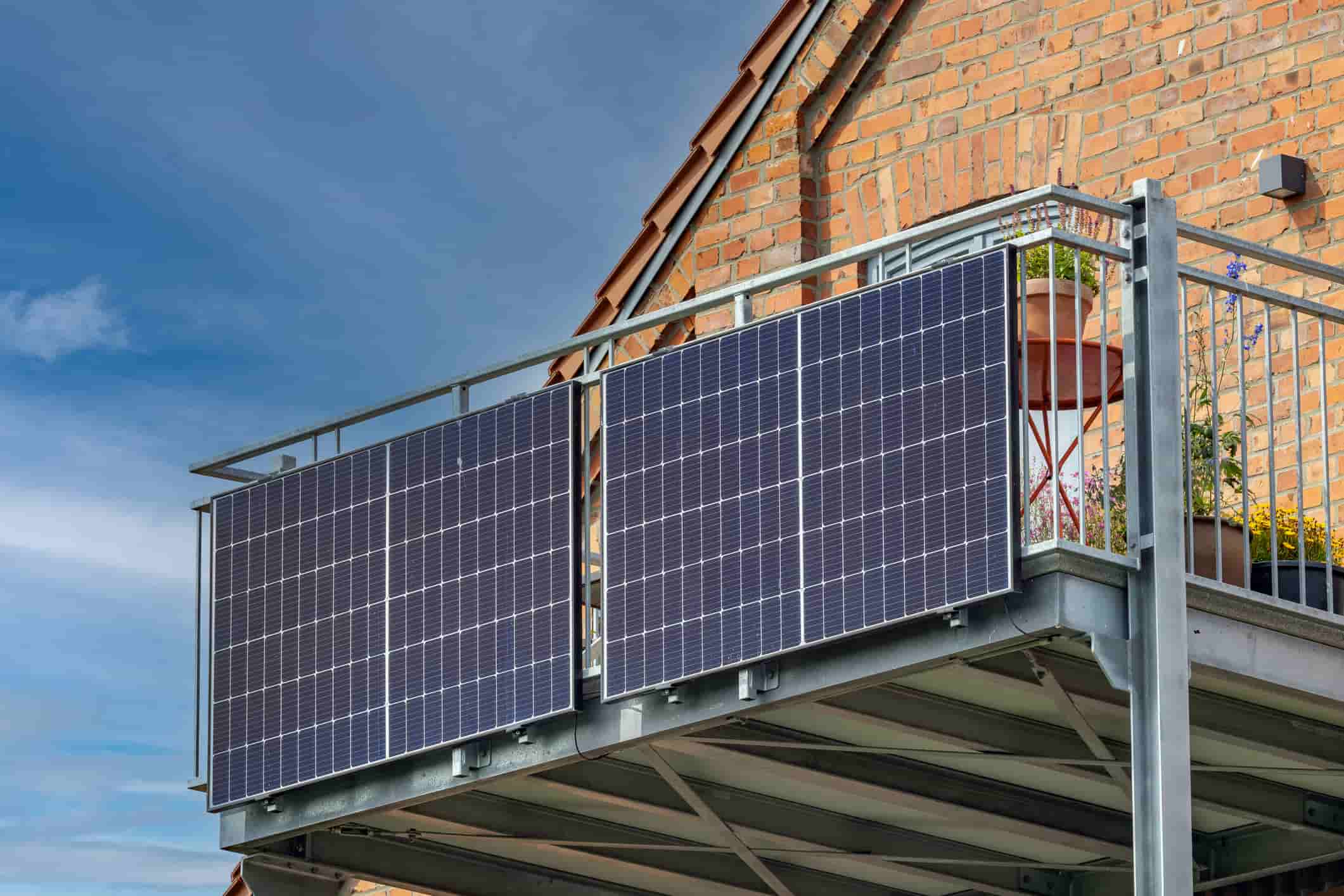
Imagine putting a solar panel on your balcony or in the garden, plugging it in, and using the electricity it makes inside your home. In Germany that is already ordinary life: around 430,000 new plug-in balcony solar installations were registered there in 2025, and more than a million systems are now registered in total. Britain began selling the kits over the counter this summer. Ireland is heading the same way, but the rules here have not quite caught up.
Where Ireland Stands
Ireland has not adopted the plug-and-play version yet, so you cannot simply buy a kit and connect it to your home yourself. But the direction of travel is clear. Officials and ESB Networks have been finalising a framework for small plug-in systems, with a simplified route for units up to around 800 watts and a straightforward registration process. Germany and the UK have already gone this way, and Ireland is widely expected to follow. It is a question of when, not if.
What Are Plug-In Solar Panels?
Plug-in solar, often called balcony solar, is the small cousin of the rooftop panels now seen on close to 200,000 Irish homes and businesses. Instead of an array bolted to a roof, a kit is usually one or two panels that sit outside and feed a little power into your home. A typical set includes the panel, a mounting bracket, a small inverter and a cable. Abroad they tend to cost somewhere around 500 euro and are built to last twenty to twenty-five years.
How They Work
The Basics
The science is the same as any solar panel. Sunlight hits the panel and produces direct current. A small device called an inverter converts that into the alternating current your home uses. In countries where the technology is permitted, that inverter connects to a suitable household socket, and the electricity flows to whatever is switched on nearby, such as a fridge, a router or a television, reducing what you draw from the grid at that moment.
Why Ireland Is Different
That last step is where Ireland differs, and it matters. Irish microgeneration rules are currently built around solar systems being installed by a registered electrical contractor, who also notifies ESB Networks. So while the idea is as simple as panel, socket, power, you cannot yet treat that as permission to buy a kit online and plug it into a wall socket.
How Much Power Is That, Really?
Most systems are limited to around 800 watts of output. That is enough to make a useful dent in everyday background use, the appliances quietly ticking over, but not enough to run something power-hungry like a kettle, a tumble dryer or an electric shower from the panel alone. Output also swings with the weather, the time of day, shade and which way the panel faces, so it is better thought of as a steady trickle than a switch you flick on.
Who Might It Suit?
The appeal is clearest for people who cannot fit conventional rooftop solar. That includes renters, apartment dwellers, homes with unsuitable roofs, and anyone who would rather avoid the cost and disruption of a full installation. Because a kit is a fraction of the size of a rooftop system the savings are smaller, but so is the outlay, and a kit can move house with you.
What Could You Save?
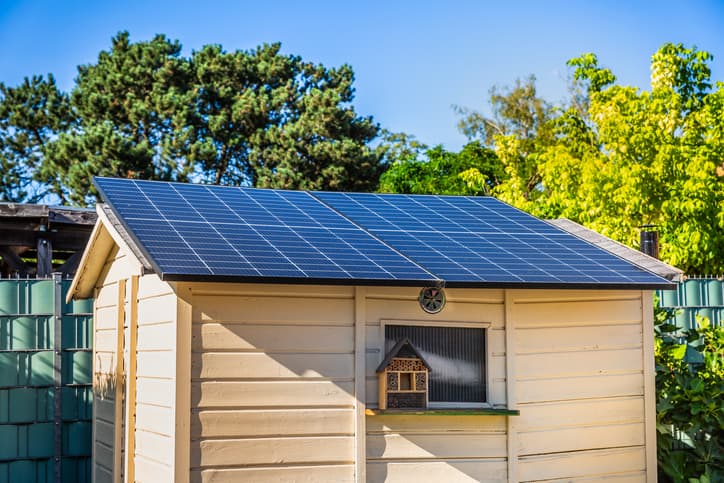
This is where expectations need managing. A plug-in system will not clear your bill. How much you save depends on the size and position of the panel, the weather, your tariff, and above all how much electricity you are using while the sun is on the panel. A household busy at home during the day makes far better use of one than a home that sits empty from nine to five. Without a battery, you get the most value when you use the power as it is generated. Any surplus can flow back to the grid, though what that is worth depends on your system and your supplier. Until the Irish rules and approved kits are settled, it is too early to put a firm figure on the yearly saving or payback here.
Can I Buy One Right Now?
You will find plug-in kits for sale online, but owning one and being allowed to connect it are two different things. The simpler self-install route common in Germany does not yet exist here, and an imported balcony kit is not automatically approved for use on an Irish home. If you are tempted, the safer course is to wait for the framework and the list of approved products rather than improvising with a marketplace purchase.
Is It Safe?
Safety is the main reason Ireland is moving carefully. The concern is less the panel itself and more how a small generator interacts with older household wiring and the safety devices in a fuse board. That is why the coming framework is expected to cover equipment, electrical safety and registration, and why ESB Networks already operates a register of low-carbon technology devices that meet its requirements for connection to the low-voltage network. The consistent advice from markets where these kits are already sold is to buy only certified products from reputable sellers, and never to run one through an extension lead or adaptor.
What About Your Home Insurance?
If you are adding solar equipment to your home, it is worth a quick word with your insurer first, and that goes double for plug-in systems while the Irish rules are still taking shape. There is a practical reason beyond good housekeeping: connecting a non-compliant kit yourself, without notifying ESB Networks, can put you outside the regulations that protect you, and many home insurance policies would not respond to an incident arising from it. Your insurer can confirm whether the equipment needs to be declared and what they expect around installation and certification. The rule of thumb is simple: check your position before anything is plugged in.
The Bottom Line
Plug-in solar is not going to transform anyone's electricity bill on its own. What it offers, especially to renters and apartment dwellers long shut out of solar, is a low-cost way to take a small share of their power into their own hands. In Ireland it remains a technology to watch rather than buy, for now.
If you're weighing up how new home tech affects your cover, get a home insurance quote with Chill and see what protection suits your needs.